
Ecological evolution
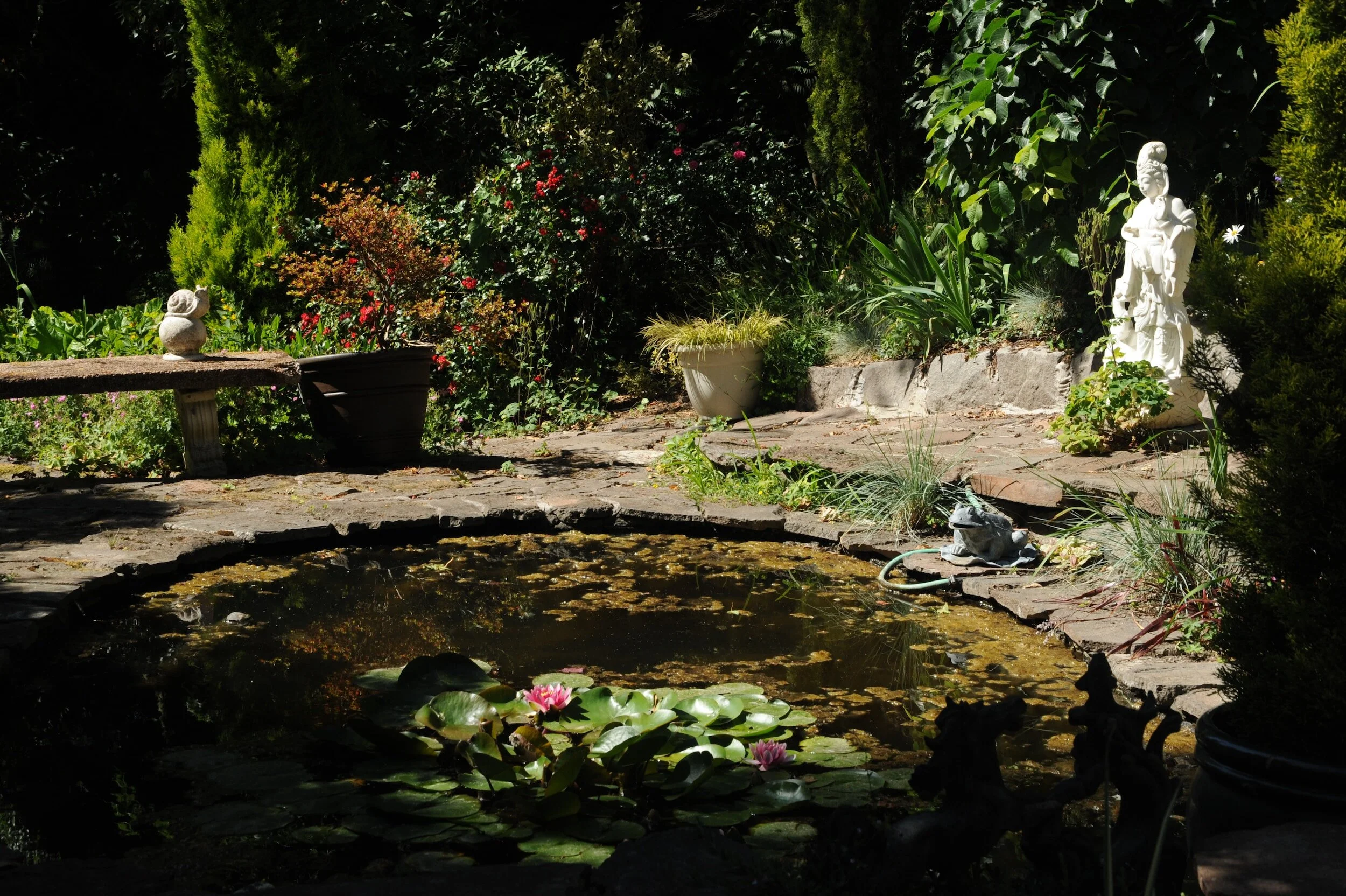
Want to make your garden more wildlife friendly? Look at the tips below or hire us to help you.
The dream
Every space has the potential to be more green. From the traditional lawn to tree planting hesitancy we can evolve, garden to garden, to create a green lattice to boost diversity, absorb heat, sequester pollutants and capture water.
An environmentally-friendly garden benefits the plant but also boosts your garden’s overall health and beauty, and connecting to nature is shown to improve our own mental well-being.
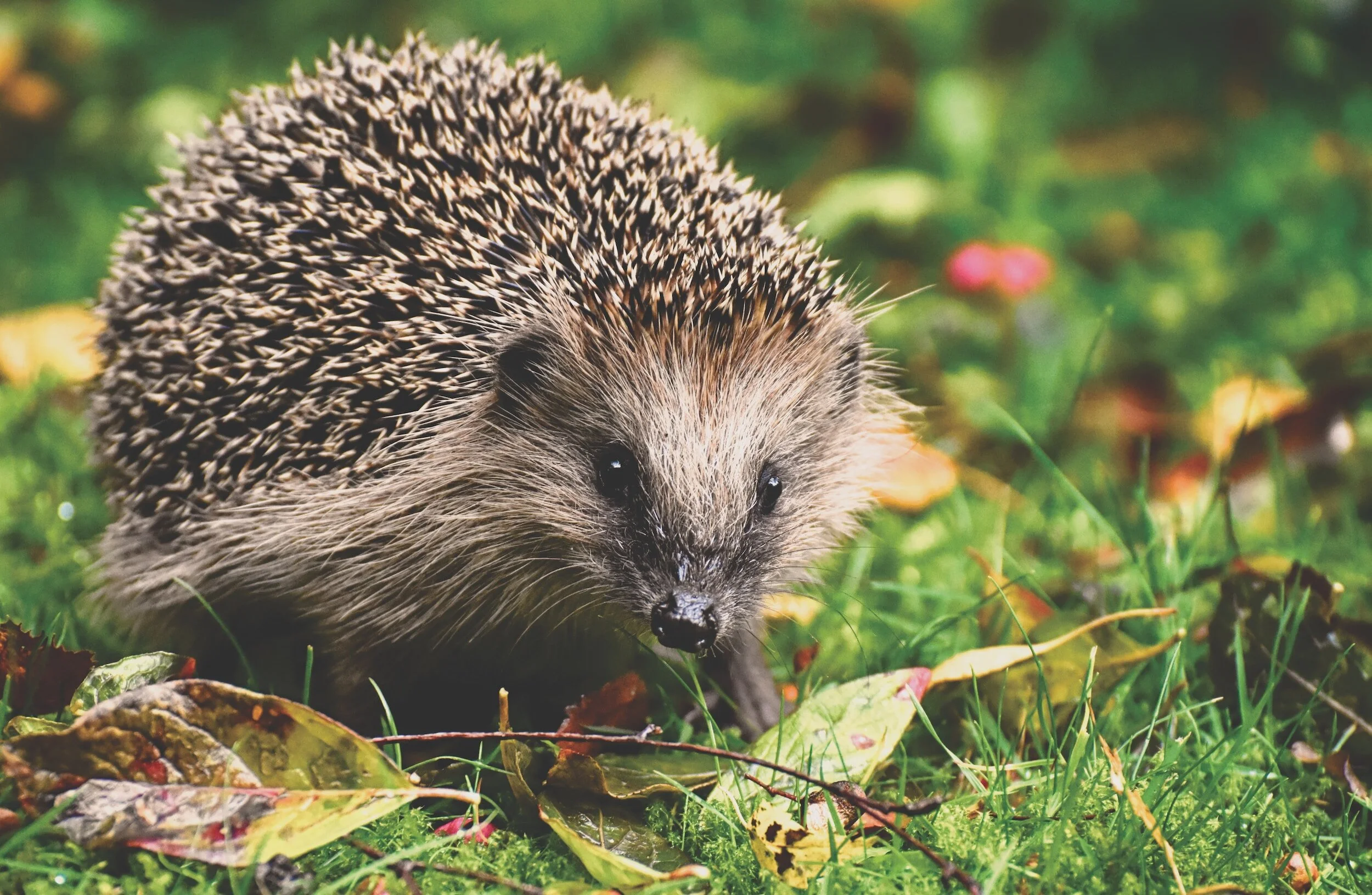
Connect the gardens, smother the fences in scented honeysuckle, allow your lawn to grow clover and daisy, plant a tree, be it native or an exotic beauty - one is more beautiful than none. Invite the hum of life into your garden, have a cup of tea at a window and watch the birds and butterflies flock to your boundaries.
How?
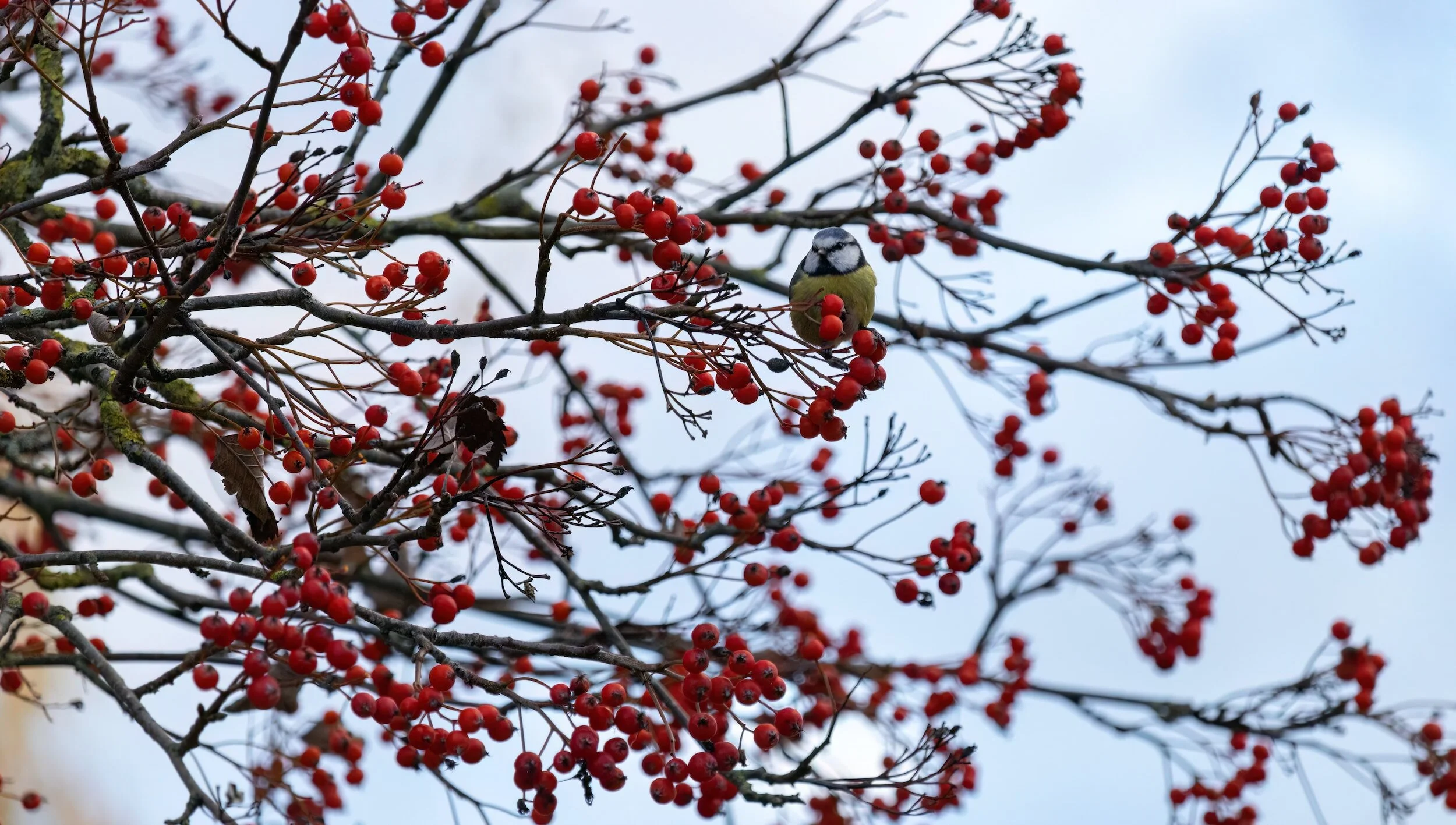
Create Wildlife Habitats: Designate a portion of your garden as a wildlife habitat by leaving a patch of wildflowers, building birdhouses, or adding a birdbath. Encourage beneficial creatures such as pollinators, birds, and predators that help control pests naturally.
Minimise Lawn Area: Reduce the size of your lawn by incorporating more flower beds, shrubs, or vegetable gardens. Lawns require excessive water, frequent mowing, and chemical inputs. By decreasing lawn space, you'll create more opportunities for biodiversity and reduce maintenance efforts.
Avoid Chemical Pesticides: Embrace natural pest control methods like companion planting, insect-repelling plants, and manual removal of pests. This promotes a healthier ecosystem and prevents harmful chemicals from entering the environment.
Mulch: Apply organic mulch like wood chips or shredded leaves around your plants to retain moisture, suppress weeds, and improve soil health. Mulching reduces the need for excessive watering and helps prevent soil erosion.
Attract Pollinators: Plant a variety of nectar-rich flowers, such as lavender, bee balm, and coneflowers, to attract pollinators like bees, butterflies. Pollinators play a vital role in plant reproduction and enhance overall garden health.
Practice Responsible Gardening: Avoid using invasive plant species, as they can spread beyond your boundaries and outcompete native plants and disrupt local ecosystems.
How?
Plant a tree: trees come in a great range of sizes, structures, offer year round changing beauty, height and most importantly, a little dappled shade to your garden. it will help protect plants from frying in the sun, soak up excess water
Conserve Water: Install a rainwater harvesting system to collect rainwater for irrigation purposes. Choose drought-tolerant plants that require less water and consider using a drip irrigation system to minimise water wastage.
Use Native Plants: Incorporate native plants into your garden as they are well-adapted to the local climate and require minimal maintenance. Native plants provide food and shelter for local wildlife, promote biodiversity, and reduce the need for chemical pesticides and fertilisers.
Compost: Start a composting system in your garden to recycle organic waste such as vegetable scraps, leaves, and grass clippings. Compost nourishes the soil, reduces the need for synthetic fertilisers, and helps retain moisture.